


Introduction
Planetary Dashas are the timing system of Vedic astrology. A birth chart describes the potential a person is born with, and the dasha system indicates when particular themes in that chart tend to move to the foreground. In short, a lifetime is divided into planetary periods, and the planet ruling each period colours the experiences traditionally associated with it.
This matters because two people with similar chart placements can live through very different phases depending on which period is active. A Saturn period asks for different things than a Venus period. Questions about marriage, a job change, a move out of the city or a business launch are usually read against that background rather than in isolation, and knowing the structure helps you ask sharper questions in a reading.
This article explains how the Vimshottari system is calculated, what each planetary period traditionally signifies, and how sub-periods refine the picture. It also covers how dashas and transits work together, what a sensible reading looks like, and where the method reaches its limits. Responsible astrology avoids certainty about future events, so the final sections separate traditional interpretation from scientific evidence and answer the questions readers ask most often.
What Are Planetary Dashas in Vedic Astrology?
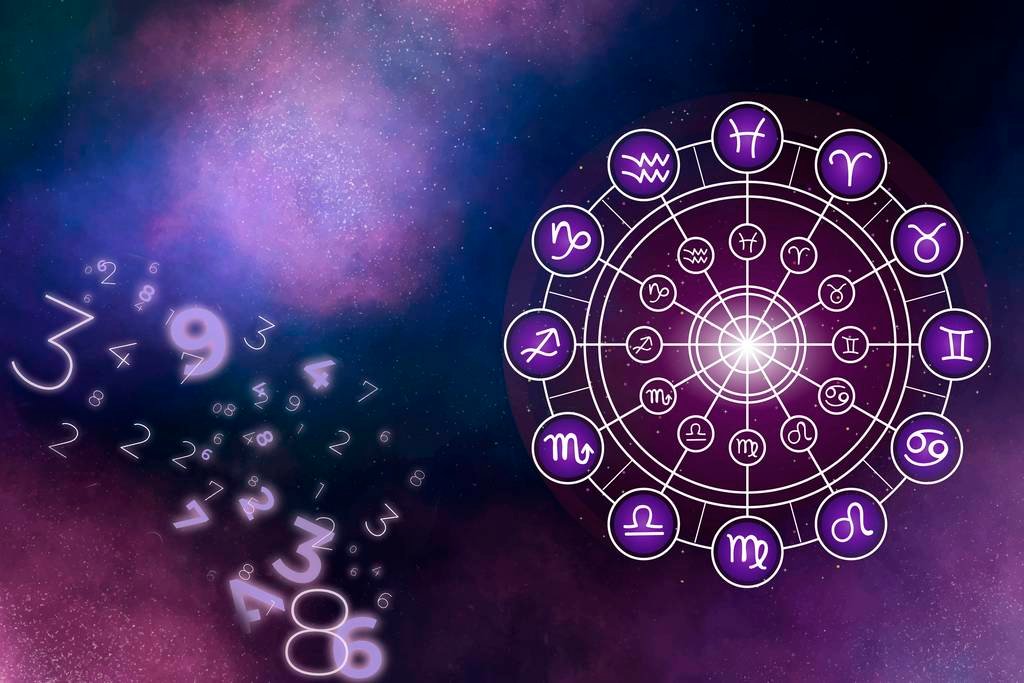
A dasha is a planetary period in Vedic astrology during which a particular planet is considered to govern how life events unfold. The most widely used system is Vimshottari dasha, a 120-year cycle described in the classical text Brihat Parashara Hora Shastra, traditionally attributed to the sage Parashara.
Other systems exist, including Yogini, Ashtottari and the Jaimini Chara dasha. Vimshottari remains the default in most parashari practice because it works for nearly every chart and gives clear start and end dates for each period.
How Is the Vimshottari Dasha Sequence Calculated?
The calculation starts with the Moon’s position at birth. The nakshatra (lunar mansion) the Moon occupies decides which planet’s period was running when you were born and how much of it remained. Nine planets rule the 27 nakshatras in a repeating order, and that same order sets the sequence of periods through your life.
Each planet carries a fixed number of years:
- Ketu: 7 years
- Venus: 20 years
- Sun: 6 years
- Moon: 10 years
- Mars: 7 years
- Rahu: 18 years
- Jupiter: 16 years
- Saturn: 19 years
- Mercury: 17 years
Together these add up to 120 years. Because the starting point depends on how far the Moon had travelled through its nakshatra, birth time matters a great deal. The Moon crosses one nakshatra in roughly a day, so an error of even an hour can shift dasha dates by several months. A birth certificate or hospital record is the most reliable source for the time.
Mahadasha, Antardasha and Pratyantardasha: Reading the Layers
The major period is the mahadasha. Within it sit sub-periods called antardashas (also called bhuktis), and within those sit smaller pratyantardashas.
The length of an antardasha follows a simple rule: multiply the mahadasha years by the sub-period planet’s years, then divide by 120. A Jupiter antardasha inside a Saturn mahadasha, for example, works out to 19 x 16 / 120, which is roughly two and a half years. Antardashas begin with the mahadasha lord itself and then follow the standard planetary order.
In practice, the mahadasha sets the broad theme of a phase, while the antardasha shows the specific flavour or area of life that is active. For event timing, astrologers usually read both together and sometimes use the pratyantardasha for finer windows.
What Does Each Planetary Period Traditionally Signify?

These are general traditional associations. How a period actually reads depends on the planet’s condition in the individual chart, and none of them is automatically good or bad.
- Sun: identity, authority, recognition, and relationships with institutions and father figures
- Moon: emotions, home, the mind, mother, and public connection
- Mars: energy, initiative, property and courage, but also impatience and conflict
- Rahu: ambition, unconventional paths, foreign connections and restlessness
- Jupiter: learning, growth, guidance, children and wisdom
- Saturn: discipline, responsibility, delay and long-term building
- Mercury: communication, trade, study and analytical skills
- Ketu: detachment, introspection, spiritual inclination and withdrawal from material pursuits
- Venus: relationships, comfort, creativity, finances and enjoyment
Why Does the Same Dasha Feel Different for Different People?
A planet’s result in a dasha depends on its sign and dignity (exalted, in its own sign or debilitated), the houses it rules and occupies, its aspects and conjunctions, and its nakshatra. Divisional charts such as the Navamsa (D9) add another layer of assessment.
Saturn is a good example. A Saturn period reads differently when Saturn rules the 10th house of career than when it rules the 6th house of work, service and conflict. This is why generic “Saturn dasha effects” articles, including this one, can only describe tendencies, and why a reading of your own chart carries more weight than a general description.
How Do Dashas and Transits Work Together?
The dasha shows the phase, while transits (gochar) are the triggers within it. Traditionally, astrologers check whether slow-moving planets such as Jupiter and Saturn support what the running dasha suggests before judging whether a promising period is likely to deliver.
Sade Sati is a transit concept, not a dasha. It refers to Saturn passing through the signs around your natal Moon sign, a stretch of roughly seven and a half years. It can overlap with any dasha, which is one reason the two are read together.
Using Planetary Dashas to Think About Marriage, Career and Relocation
The traditional method links life areas to houses. Marriage looks to the 7th house, its lord and Venus. Career looks to the 10th house and its lord, with the 2nd, 6th and 11th houses considered for income and work. Relocation draws attention to the 4th, 9th and 12th houses.
When a mahadasha or antardasha belongs to a planet connected with those houses, astrologers regard it as a period where related events are more likely to come into focus. That is a statement about likelihood, not an appointment in the calendar.
Decisions about money, health, law or a career move should also rest on qualified professional advice. Astrology works best as an additional lens, not as a replacement for that advice.
A Hypothetical Example: Reading a Saturn–Jupiter Period
The following is an illustration, not a real client case. Suppose Saturn rules the 10th house of career in someone’s chart and sits in a supportive sign. A Saturn mahadasha might be read as a long phase of building through steady effort, where recognition arrives slowly but tends to last.
Now suppose the Jupiter antardasha begins about halfway through. Jupiter is associated with growth and guidance, so an astrologer might look at whether this window supports mentorship, further study or a widening of responsibility. If Jupiter is also well placed by transit, that strengthens the reading. If it is weakly placed, the same window would be described more cautiously.
What Dashas Cannot Tell You
Dashas are a traditional interpretive framework. They are not a scientifically validated method of predicting events. Controlled tests of astrological interpretation, including a well-known double-blind study by Shawn Carlson published in Nature in 1985, found that astrologers could not match chart readings to personality profiles better than chance.
Many people still find the dasha system useful as a reflective and planning tool, much as others use journaling or goal-setting frameworks. A responsible reading will therefore avoid three things: guaranteeing outcomes, using fear-based language about “bad” periods, and presenting astrological timing as medical, legal or financial fact.
How to Prepare for a Dasha Reading
A little preparation makes a reading more useful:
- Gather your date, exact time and place of birth, and confirm the time against a document if you can.
- Find out which mahadasha and antardasha are running now.
- Write down two or three specific questions, such as a job decision or a relationship concern.
- Ask for the antardasha windows over the next two to three years rather than a single date.
- Ask for practical suggestions you can weigh against your own judgement.
For readers in Dehradun and elsewhere in Uttarakhand, including Mussoorie, Rishikesh and Haridwar, sessions are available in person and online in Hindi or English. If you want a reading built on your own chart, Consult Charul Sharma, a Vedic astrologer in Dehradun who reads the running Vimshottari dasha as part of every consultation.
The Birth Chart (Kundli) Analysis service covers your lagna, planetary placements, yogas and current dasha, and the Astrology Consultations page lists the available session formats. To learn about her approach and training, visit About Us. For a framework on vetting practitioners, read How to choose the best astrologer in Dehradun before you decide.
Conclusion
Planetary Dashas give Vedic astrology its sense of sequence. The Vimshottari cycle, anchored in the Moon’s nakshatra at birth, organises life into mahadashas and antardashas, and each planetary period is read through that planet’s condition in your own chart. Transits add triggers, and houses link the periods to specific areas of life.
The value of the system lies in perspective, not prediction. Knowing which phase you are in can help you pace decisions, ask better questions and recognise recurring themes, while the limits discussed above keep expectations realistic. If you want your own periods interpreted in the context of your full chart, you can Consult Charul Sharma for a session that goes through them in plain language.
Frequently Asked Questions
1. What is a mahadasha in astrology?
A mahadasha is the major planetary period in the Vimshottari system, lasting between 6 and 20 years depending on the planet. It sets the broad theme for that phase of life and is divided into antardashas.
2. What is the difference between mahadasha and antardasha?
The mahadasha is the main period, while an antardasha is a sub-period within it ruled by another planet. Antardashas run from a few months to a little over three years. The mahadasha provides the background and the antardasha supplies the specific focus.
3. How do I find my current dasha?
You need your date, exact time and place of birth. A kundli generated by reliable software or an astrologer includes a dasha table listing each mahadasha and antardasha with dates. Different ayanamsa settings can shift dates slightly, so check which one is used. Lahiri is widely used in India.
4. Is a Saturn dasha always difficult?
No. Traditional texts associate Saturn with discipline, delay and responsibility, but the result depends on Saturn’s placement, strength and the houses it rules. Many charts describe a Saturn period as a phase of steady, earned progress.
5. Can dashas predict marriage or a job change?
Astrologers use dashas to identify periods when events linked to specific houses are more likely. They cannot confirm that an event will happen or fix its exact timing. Treat the indications as input for planning, not as promises.
6. Do remedies change a dasha period?
The dasha schedule is calculated from birth data and does not change. Practices such as mantra, charity or routine are followed by some people as a way of approaching a period with discipline. No scientific evidence shows they alter outcomes, and nobody should feel pressured to buy anything.
7. When should someone consult an astrologer about dashas?
It makes sense when you face a major decision, when a dasha change is approaching, or when you want interpretation specific to your chart instead of general descriptions. Look for a practitioner who explains the reasoning, avoids guarantees and does not rely on fear.
CTA
For personalized guidance based on your birth chart, you can explore Astrology Consultations with Charul Sharma, available online and in person in Dehradun. If you are comparing options for the best astrologer in Dehradun, share your date, exact time and place of birth, then book a consultation through the Contact page. Consult Charul Sharma for a calm, unhurried reading that explains your running dasha, with no guarantees and no pressure.



1 Comment