


Introduction
Retrograde planets are planets that appear, from Earth, to slow down, stop and drift backward against the zodiac for a few weeks before resuming forward motion. Mercury’s retrograde draws the most attention, and the next one runs from about October 24 to November 13, 2026, with the exact timing shifting by a day depending on the time zone and calculation method. Most people searching this topic have one practical concern: is it safe to sign, travel or decide anything while it lasts?
The short answer is that there is no reason for alarm. Astronomy explains the backward drift as a viewing effect with no physical reversal, and Vedic astrology, known as Jyotish, does not treat a retrograde graha (called vakri) as simply bad. Many classical sources assign it added motional strength, though its results still depend on the planet, house, sign and running dasha in a particular chart.
This guide covers why the apparent reversal happens, how Jyotish interprets vakri grahas, which planets can turn retrograde, what Mercury’s 2026 retrograde means in practical terms, and how to tell a routine transit from something worth a closer chart review. It also marks where tradition ends and scientific evidence begins.
What Does Retrograde Mean? A Direct Answer
A retrograde planet is one that appears to move backward through the zodiac as seen from Earth. In astronomy this is an apparent motion, not a real change of direction. In Vedic astrology the same event is called vakri gati, and traditional texts read it as a change in how a planet expresses itself, not as guaranteed misfortune.
Why Planets Appear to Move Backward
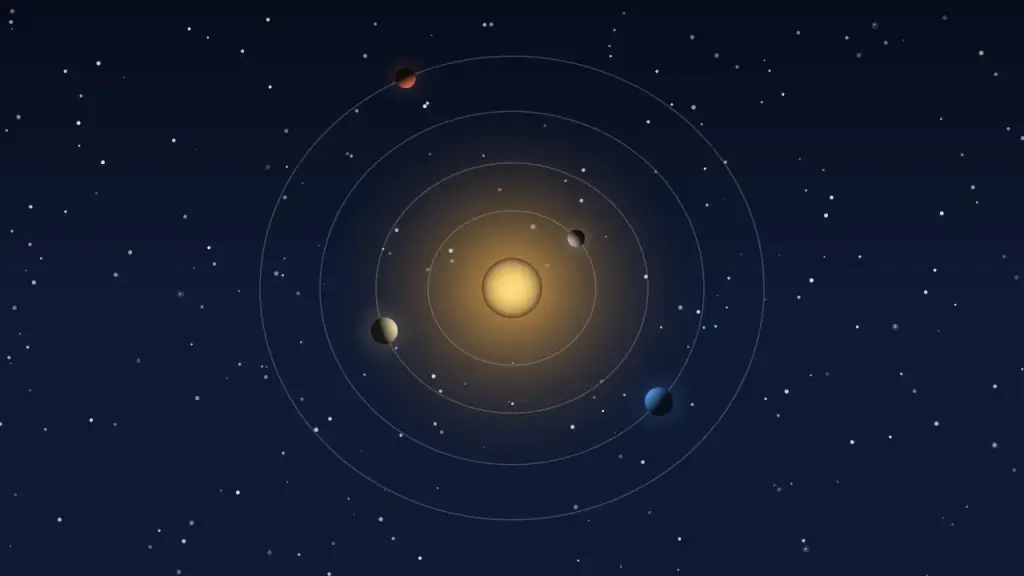
Every planet orbits the Sun in the same direction, so the backward drift is a matter of perspective. NASA’s Astronomy Picture of the Day explains that Earth, travelling faster on a closer orbit, overtakes planets farther from the Sun, and that this happens with Mars roughly every two years. During the overtaking, Mars seems to trace a slow loop against the background stars.
Mercury and Venus behave differently because their orbits lie inside Earth’s. They appear to reverse when they pass between Earth and the Sun. Mercury, the fastest, typically does this three or four times a year, and each retrograde lasts about three weeks. The Sun and Moon never appear retrograde.
How Vedic Astrology Reads a Vakri Graha
In Jyotish, vakri describes a graha in retrograde motion. Mars, Mercury, Jupiter, Venus and Saturn can all become vakri. Rahu and Ketu, the lunar nodes, are treated as retrograde by nature in their usual calculation.
Classical texts in the Parashari tradition associate retrograde planets with chesta bala, or motional strength, one of the measures within Shadbala. Practitioners interpret this differently. Some see an intensified, inward or delayed expression of the planet’s themes. Others emphasise revisiting matters connected with that planet. These are traditional interpretations, not scientifically tested findings.
Two details matter in an actual reading. The first is whether the retrograde belongs to the birth chart or is a current transit. The second is the planet’s house, sign and strength, along with the Vimshottari dasha running at the time. A retrograde Saturn in the tenth house of a natal chart and a passing Mercury retrograde are different matters, and a reading that ignores the difference is a generic horoscope.
Which Planets Can Go Retrograde, and What Do They Signify?

Traditional significations are listed below, followed by how often each retrograde occurs.
- Mercury: communication, reasoning, contracts, travel logistics and technology. Retrograde three or four times a year, for about three weeks each time.
- Venus: relationships, values, comfort and finances. Retrograde roughly every year and a half, for about six weeks.
- Mars: energy, drive and assertion. Retrograde about every two years.
- Jupiter: learning, guidance and growth. Retrograde once a year, for around four months.
- Saturn: discipline, responsibility and long-term structure. Retrograde once a year, for around four and a half months.
Mercury Retrograde in 2026: Dates and Practical Meaning
The third Mercury retrograde of 2026 runs from October 24 to November 13, according to The Old Farmer’s Almanac, which lists dates in Eastern Time. India’s time zone is ahead, and sources round the station dates differently, so check a panchang or ephemeris calculated for your location. The earlier 2026 retrogrades ran from late February to March 20 and from June 29 to July 23.
Mercury governs communication, analysis and trade in Jyotish, so tradition links its retrograde with misunderstandings, delayed messages, revised plans and travel hiccups. Many people simply use the period to review rather than launch. This is an astrological and cultural habit, not an established scientific effect.
Should You Really Be Worried About Retrograde Planets?
No. A retrograde is a routine, predictable event, and Jyotish does not describe it as a threat by default. Most people who worry about retrograde planets are reacting to headlines rather than to their own chart. Three points keep it in proportion.
- Frequency: Mercury turns retrograde several times a year, and Jupiter and Saturn do so annually. If every retrograde were harmful, life would be one continuous disruption.
- Personal relevance: whether a retrograde touches you depends on your chart. A transit crossing a sensitive house, or one that coincides with a related dasha, deserves more attention than a general weekly forecast.
- Evidence: no scientific study has established that retrograde periods cause outcomes. Astrology is an interpretive practice and does not replace medical, legal or financial advice.
How a Vedic Astrologer Reads a Retrograde in Your Chart
A proper reading follows a sequence, and knowing it helps you judge the quality of any consultation.
- Cast the birth chart (kundli) from the exact date, time and place of birth, and note which planets were vakri at that moment.
- Check each planet’s house, sign and dignity, meaning whether it is exalted, in its own sign or debilitated.
- Look at the aspects and conjunctions it forms, since these change how it behaves.
- Identify the running mahadasha and antardasha, because the dasha decides which planets are most active in your life right now.
- Compare the current transit with these points, and note the house the transiting planet is moving through.
For example, if Mercury retrograde passes through the house of career in your chart while a Mercury dasha is running, a closer look is reasonable. If it moves through a quieter house and your dasha belongs to another planet, the transit may need little more than ordinary care. These are interpretive readings offered as guidance, and they should sit alongside your own judgement and professional advice.
Natal Retrograde vs Transit Retrograde
A natal retrograde means the planet was retrograde at the moment of birth. It is a permanent feature of the chart and is read through its house, sign, aspects and strength. Some practitioners say a natal retrograde Mercury may indicate a more reflective, non-linear style of thinking, but that reading always depends on the rest of the chart.
A transit retrograde is happening in the sky now. It is temporary, and it is read against your birth chart and current dasha. The same Mercury retrograde can feel quiet for one person and busy for another, depending on which part of the chart it moves through.
Practical Ways to Handle a Retrograde Period
These steps are sensible in any month and tend to be emphasised during Mercury retrograde.
- Re-read before you sign. Agreements, emails and bookings benefit from a second look.
- Back up devices and confirm appointments, tickets and deadlines in writing.
- Finish or revise unfinished work where your schedule allows, instead of starting large new projects.
- Keep non-urgent decisions flexible, but do not postpone urgent ones, since delay has costs too.
- Note which themes resurface. Tradition treats a retrograde as a period for revisiting rather than forcing.
Health, legal and financial decisions should follow the advice of qualified professionals, whatever the planets are doing.
Finding the Best Astrologer in Dehradun for a Retrograde Question
If a retrograde has raised a specific question, a chart-based reading is more useful than a sun-sign forecast. A Vedic astrologer in Dehradun should start with your date, exact time and place of birth, study the planet’s house and dignity, and place the transit against your running dasha. The reading should not rely on fear or promise outcomes. Our guide on How to choose the best astrologer in Dehradun lists the questions worth asking before you book.
Charul Sharma offers Vedic astrology sessions in person in Dehradun and online for clients in Mussoorie, Rishikesh, Haridwar, Delhi NCR and abroad, in Hindi or English. Consult Charul Sharma if you want a retrograde period read against your own kundli, and you can book a consultation through the contact page.
Frequently Asked Questions
1. What does it mean when a planet is retrograde?
The planet appears to move backward against the stars as seen from Earth, because of the relative speeds and positions of the two planets in orbit. Jyotish calls this vakri gati and reads it as an altered expression of the planet, not automatic harm.
2. Is Mercury retrograde bad according to Vedic astrology?
Not by default. Mercury’s retrograde is associated with review, revision and communication slips, but its effect on an individual depends on the chart and running dasha. It is a period for care, not fear.
3. How many times does Mercury go retrograde in a year?
Usually three, sometimes four. In 2026 there are three: late February to March 20, June 29 to July 23, and October 24 to November 13, per The Old Farmer’s Almanac in Eastern Time.
4. Which planets are always retrograde in Vedic astrology?
Rahu and Ketu. These lunar nodes move backward through the zodiac in their standard calculation. The Sun and Moon never turn retrograde.
5. Does retrograde affect everyone the same way?
No. Traditional astrology holds that the impact depends on the house, sign and strength involved in an individual chart, which is why two people can describe the same period very differently.
6. Can I sign contracts or start a business during Mercury retrograde?
Astrological tradition advises extra care with documents and launches. There is no scientific evidence that signing during a retrograde changes outcomes. Take legal and financial advice from qualified professionals and review terms carefully.
7. When should someone consult a Vedic astrologer in Dehradun about a retrograde planet?
Consider a consultation when a retrograde crosses a sensitive house in your chart, coincides with a major dasha change, or overlaps a decision you want to time thoughtfully. Consult Charul Sharma for a chart-based reading.
Conclusion
Retrograde motion is an ordinary part of how planets look from Earth, and Jyotish treats it as a shift in expression rather than a warning. The more useful question is not whether a planet is retrograde, but where it sits in your chart and which dasha is active.
With Mercury’s retrograde beginning on October 24, the practical response is simple: slow down, review, communicate clearly and keep decisions flexible. If something specific is weighing on you, a personal chart reading will tell you far more than a general forecast.
CTA
If you are looking for the best astrologer in Dehradun to read how the coming Mercury retrograde sits against your own birth chart, you can explore Astrology Consultations. Consult Charul Sharma for a calm, chart-based discussion in Hindi or English, in person or online. To book a consultation, message through the contact page and share your birth date, exact time and place of birth.